Nod by n8n is an open-source personal AI agent that carries out tasks across connected apps and websites. Released as a research preview by n8n Labs, it is a separate product from the n8n workflow editor. It is intended for one person's ongoing work: gathering information, preparing files, following up on tasks, and keeping track of things that would otherwise require repeated manual visits to different services.
Desktop installers are available for Mac and Windows. Nod works in its own sandboxed computing environment with a browser and file workspace. It can interact with connected services and also use websites that do not provide a dedicated integration. The documentation describes additional self-hosting and source-installation options for people who want more control over where it runs.
Its local component stores working context, but that does not automatically make the entire workflow offline. When you connect a hosted model, task information is sent to that provider. Applications and websites contacted during a task also receive the requests needed to do the work. This distinction matters when choosing what accounts or documents to connect.
Install the application, connect an AI provider, and select the model Nod should use. The model settings support several hosted services, an OpenAI-compatible endpoint, and documented local-model options. A saved API key or a model shown in a picker does not guarantee that the account has credit or access; verify the connection with a small task before relying on it.
Then connect only the applications needed for that first task. The documented ecosystem includes email, calendars, shared files, and team communication tools. A good initial request is bounded and easy to check, such as preparing a meeting brief from named sources without sending anything. Once that works, extend the scope to more complex or recurring work.
Nod's documentation describes web research, reading pages and PDFs, producing documents and spreadsheets, working with email drafts, and downloading files through its browser. Its value is coordinating those steps within one task rather than only suggesting what the user should do next.
For example, a freelancer could ask it to collect supplier invoices and organize them for review, or prepare a short summary of upcoming meetings and relevant email threads. Those examples illustrate suitable tasks, not guarantees that every supplier portal or account configuration will work. Login challenges, missing permissions, unavailable integrations, or model errors can still interrupt execution.
You can request a one-time action or recurring schedule in conversation. The Scheduled area shows timing and the next run, and provides controls to inspect, edit, pause, or run a task immediately. A report requested on every run should arrive each time; a monitoring task can remain quiet until something relevant changes.
Define the time zone, sources, output, and notification conditions clearly. For a price monitor, specify the page and the change that matters. For a recurring brief, specify what to include and where it should appear. A recurring schedule does not remove the product's usual approval checks for external actions.
Nod checks whether an action is covered by your request or saved rules. Read and draft work can proceed within the requested scope, while an uncovered commitment requires clarification or approval. Approving a specific message is not automatically permission for future recurring messages. Keep instructions precise when recipients, amounts, dates, or account changes matter.
The product also maintains task context and memory that users can inspect and manage. These features can reduce repetition, but remembered procedures are not independent authorization to take action. Permission checks are model-assisted and can make mistakes, so review important outputs and do not treat the system as an infallible gatekeeper.
Nod is free software distributed under Apache 2.0. Model-provider charges, subscriptions, hardware, and any server hosting are separate. Connecting a paid provider means its billing and data terms apply. Local-model operation can change those costs, but requires suitable hardware and model capabilities.
Nod is most useful for someone willing to configure accounts and supervise a personal agent. Start with reversible, clearly bounded work and expand after checking the results. Its research-preview status and external-service dependencies should remain part of that evaluation.
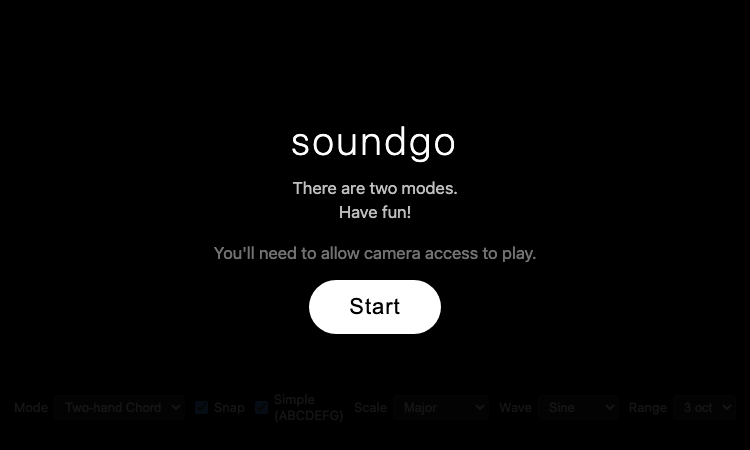
Soundgo - Play chords and melodies with your hands through your webcam. Free browser instrument, no install.
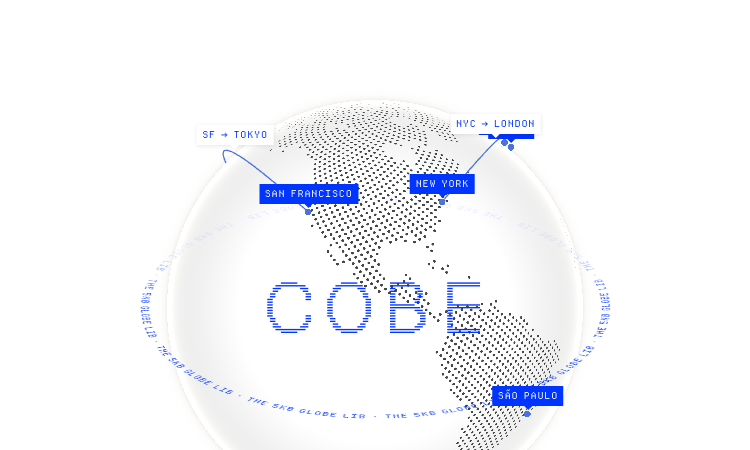
Cobe Js - The 5KB WebGL globe library by Vercel's Shu Ding: 3D globes for React, Vue and Svelte. MIT licensed, free.
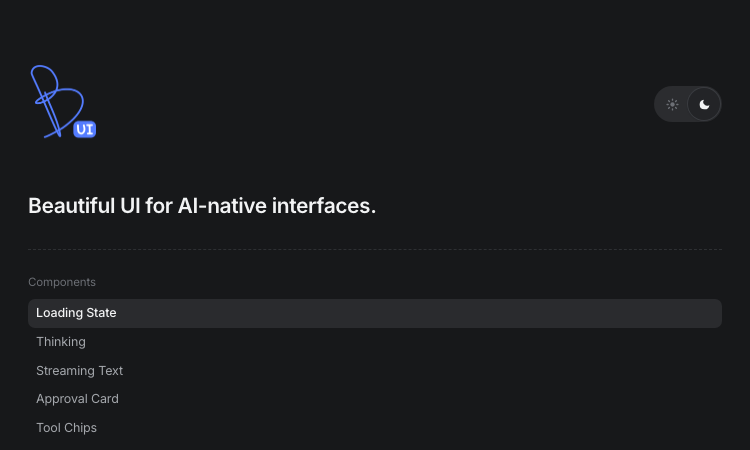
Beautiful UI - Crafted copy-paste components that make chat agents, tool calls, and approvals look stunning.
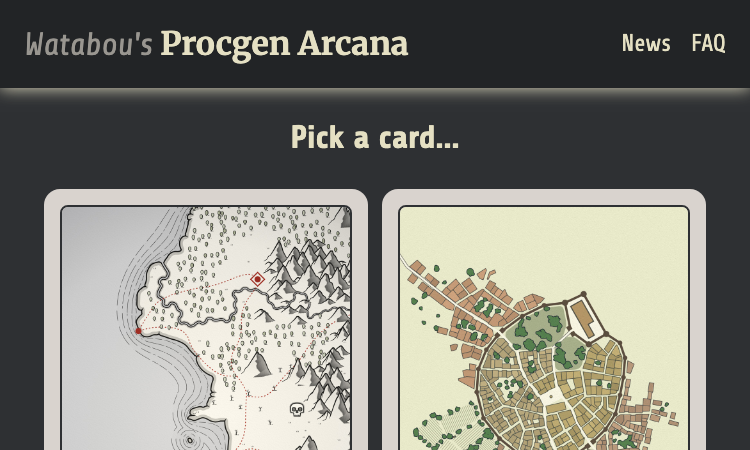
Watabou Github Io - browser-based map generators: realms, cities, villages, dungeons and mansions for game masters.
Pi Agent - Terminal-based minimal coding agent harness with tree sessions, skills, and 15+ model providers.

Gifify is an all-in-one AI visual platform. While our AI GIF Generator creates animations from text or images, you can n